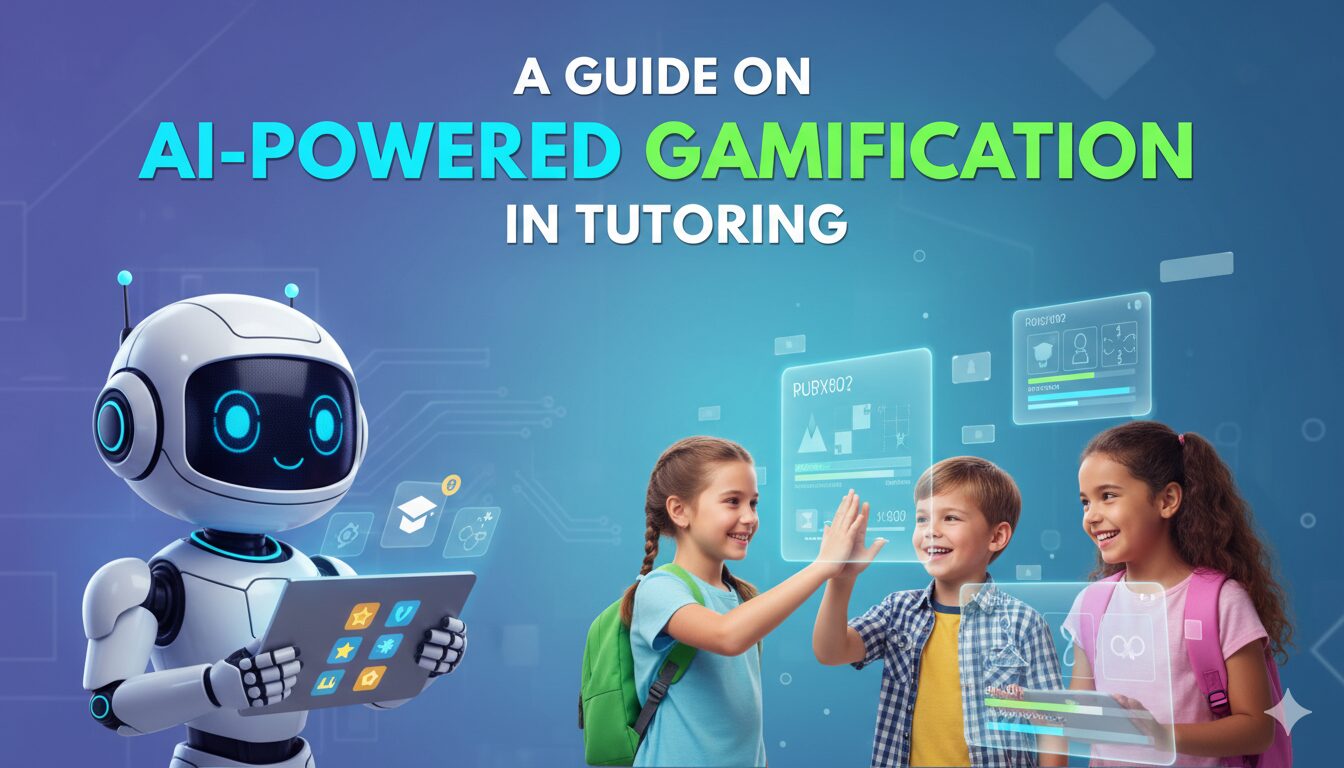
Gamification uses game elements such as badges, levels, and storylines to motivate people and keep them engaged in various activities. It brings features from video games into non-game settings to make tasks more interactive and enjoyable. By creating a sense of progress and achievement, gamification encourages people to stay involved and complete goals.
It is based on well-known motivational principles. One key idea is that people feel more motivated when three basic needs are met. These needs are autonomy, competence, and relatedness. Autonomy means having meaningful choices. Competence means facing achievable challenges that help build skills. Relatedness means feeling connected to others.
When gamification is designed thoughtfully, it supports these needs. It gives users control over their actions, offers clear and manageable challenges, and creates opportunities for interaction. As a result, motivation comes from genuine interest and satisfaction, not just external rewards.
Understanding AI in Tutoring
Artificial intelligence in tutoring encompasses a range of systems that support teaching and learning. Some tools generate content, while others analyze patterns or automate tasks. Read this guide to learn how to automate tutor scheduling and avoid conflicts.
Generative AI creates content based on a user’s instruction, also called a prompt. A prompt is the input you provide, usually written in conversational text. It can also include images or files. Generative AI can produce lesson plans, quizzes, summaries, images, or other materials. Because it responds in natural language, it can feel like talking to a person. However, it is still a computer program. Users remain responsible for both the input and the output. Always review results for accuracy, bias, and relevance. Follow data privacy rules and institutional AI policies.
Narrow AI performs specific tasks. It cannot easily switch to other functions. Examples include spellcheck tools, facial recognition, and adaptive learning platforms.
General-purpose AI can handle multiple tasks. It is trained on large datasets and adapts to different needs, such as planning lessons or organizing schedules.
Large Language Models are a type of general-purpose AI. They understand and generate human-like text. Many chat-based tools are built on these models.
Machine Learning enables systems to learn from data rather than fixed instructions. It powers spam filters and personalized learning tools.
AI systems learn in different ways. In supervised learning, the system trains on labeled data. In unsupervised learning, it identifies patterns without labeled examples.
How AI Enhances Gamification in Tutoring
Gamification becomes far more powerful when combined with artificial intelligence. Traditional gamification relies on fixed rewards and predefined levels. AI makes the experience dynamic, adaptive, and personalized.
With AI and gamification in tutoring, learning systems respond to each student’s progress in real time. Instead of offering the same challenges to everyone, AI adjusts the experience based on performance, behavior, and engagement patterns.
Here’s how gamification and AI in tutoring work together:
Adaptive Difficulty: AI analyzes student responses and adjusts task complexity in real time. Learners stay challenged but not overwhelmed.
Personalized Learning Paths: The system recommends content based on strengths and gaps. Each student follows a tailored progression. This is what personalized tutoring actually looks like.
Real-Time Feedback: AI provides immediate feedback after quizzes or activities. This helps students correct mistakes quickly.
Behavior Tracking and Insights: AI monitors time spent, attempts made, and participation levels. Teachers gain data-driven insights into engagement.
Intelligent Reward Systems: Rewards are linked to mastery and improvement, not just completion. This strengthens meaningful motivation.
Conversational Support: AI chatbots guide students through hints and explanations. This supports deeper understanding.
Benefits of AI-Powered Gamification for Students
Stronger Intrinsic Motivation
AI adjusts learning tasks based on each student’s performance and pace. Instead of facing content that feels too easy or too difficult, students encounter challenges that match their skill level. This balance helps them feel capable and in control of their progress. When learners experience steady improvement, their motivation shifts from earning rewards to genuinely understanding the subject. Immersive environments and interactive tasks further increase curiosity and sustained interest.
Improved Persistence in Difficult Subjects
STEM subjects often require repeated practice and problem-solving. AI-powered systems track performance patterns and adjust rewards based on mastery rather than simple completion. This encourages students to try again after mistakes. Instead of feeling discouraged, they see progress visually through dashboards or level progression. Over time, this builds resilience and a stronger problem-solving mindset.
Higher Behavioral Engagement
AI monitors how students interact with tasks, including time spent, number of attempts, and use of hints. Based on this data, the system provides timely nudges or scaffolding. Students stay focused longer because the experience feels responsive. Real-time feedback reduces idle time and keeps them actively involved in the learning process.
Deeper Cognitive Engagement
AI-powered gamification does not only reward speed or accuracy. It can prompt students to explain their reasoning, reflect on errors, or revisit misunderstood concepts. Conversational agents and adaptive hints guide learners through structured thinking processes. This shifts learning from memorizing answers to understanding concepts more deeply.
Early Identification of Learning Gaps
AI systems analyze patterns across assignments and assessments. When a student repeatedly struggles with a concept, the platform flags it and suggests targeted support. This prevents small misunderstandings from turning into larger academic gaps. Students receive help before frustration builds, which improves confidence and continuity in learning.
Enhanced Emotional Engagement
Gamified environments often include storytelling elements, progress maps, or achievement milestones. When combined with AI personalization, these features create a sense of progression and accomplishment. Students experience positive emotions such as satisfaction and curiosity. This emotional connection strengthens long-term engagement and makes learning feel meaningful rather than routine.
Practical Use Cases of AI and Gamification in Tutoring
Adaptive Learning Platforms
AI assesses student performance in real time and adjusts lessons instantly. When combined with gamification, students unlock levels or earn badges as they master concepts. The pathway changes based on responses, ensuring each learner progresses at a comfortable pace while staying motivated through visible achievements.
Assistive Technology
Speech recognition and text-to-speech tools support students with learning differences. Gamified participation systems reward consistent effort and improvement. This ensures inclusivity while encouraging engagement through points, progress tracking, and milestone rewards.
Data and Learning Analytics
AI analyzes grades, attendance, and online activity patterns. Gamified dashboards convert this data into visual progress bars, streaks, and achievement markers. Students clearly see where they stand and what to improve.
Classroom Management Systems
AI tracks participation, assignment completion, and behavioral patterns. Gamification adds points, leaderboards, and rewards for positive behavior. This encourages accountability and healthy competition without the need for manual monitoring.
Intelligent Tutoring Systems
AI-powered tutors adapt explanations based on student responses. Gamified challenges and mastery badges reinforce progress. Students stay engaged while receiving personalized academic support.
Automated Grading and Feedback Tools
AI evaluates quizzes, assignments, and even essays. Gamification turns assessment into a growth journey with improvement badges and progress milestones. Immediate feedback keeps students motivated.
Chatbots and Virtual Assistants
AI chatbots answer questions and send reminders. Gamified streak systems encourage consistent interaction and timely task completion. Students feel supported beyond classroom hours.
Curriculum Planning Support
AI identifies performance gaps across groups. Gamified modules can then target those areas through structured challenges. This keeps learning aligned with measurable objectives.
Interactive Learning Games
AI enhances games by dynamically adjusting difficulty. Gamification ensures that each task feels purposeful, not random. Students engage deeply with complex topics through adaptive challenges.
Task Automation for Educators
AI handles routine administrative tasks. Gamification provides structured engagement models for students. This balance allows educators to focus more on mentorship and less on manual processes.
Role of Tutor Management Software in AI-Driven Gamification
Tutor management software plays a central role in bringing AI and gamification into daily tutoring practice. It acts as the operational backbone for tutoring platforms. It manages scheduling, attendance, payments, communication, and performance tracking in one system. When AI and gamification features are built into this structure, engagement becomes measurable and scalable.
Such software collects student data across sessions. AI analyzes participation, quiz results, and progress patterns. Gamification layers then convert this data into points, badges, leaderboards, and visual progress indicators. This creates a structured learning environment where motivation is built into the system. Instead of manual tracking, tutors get real-time insights. Students receive instant feedback and visible milestones.
Wise takes this a step further.
In-Session Live Leaderboards
Real-time leaderboards during live Zoom sessions track performance and encourage active participation.
AI Quizzes and Interactive Polls
Quizzes and polls can be launched instantly inside live sessions to check understanding and promote engagement.
Badges and Rewards
Students earn digital badges for attendance, quiz performance, and active participation.
Progress Tracking
Visual progress bars show course completion and learning milestones.
Attentiveness Measurement
Instructors can monitor in-session attentiveness, adding accountability and focus.
Automated Feedback
Immediate quiz feedback helps students understand mistakes and retain knowledge.
Contextualized Learning
Role-playing, quests, and structured challenges make sessions more interactive and meaningful.
Future Trends in AI and Gamification in Tutoring
The future of AI and gamification in tutoring is moving toward deeper personalization, immersive learning, and skill-based development. Technology will not just support teaching. It will actively shape how students learn and grow.
Artificial Intelligence and Personalized Learning
AI-powered systems are making classrooms smarter. These platforms analyze student performance and adjust lessons in real time. Each learner receives content tailored to their strengths and areas for improvement. This reduces the limits of the traditional one-size-fits-all model.
Gamification will work alongside AI to create structured learning paths. Students will unlock levels as they master topics. Progress will feel personal and measurable.
The Rise of Hybrid Learning
Hybrid learning is becoming standard practice. Schools are blending in-person teaching with digital tools. Cloud-based platforms allow students to access content anytime.
Gamified dashboards will track performance across both online and offline sessions. AI will analyze participation patterns and suggest improvements. This model increases flexibility and supports diverse learners.
Immersive Learning with AR and VR
Virtual and augmented reality will expand interactive learning. Students may explore historical sites virtually or interact with 3D scientific models.
When combined with gamification, these experiences become challenge-based journeys. AI can adjust tasks based on how students perform inside immersive environments.
Focus on Future-Ready Skills
Tutoring systems are shifting toward critical thinking, collaboration, and problem-solving. Gamified simulations and AI-driven assessments can evaluate these skills in practical scenarios.
Students will not only complete lessons. They will solve real-world challenges within structured digital environments.
FAQs
What is AI-powered gamification in tutoring?
AI-powered gamification combines artificial intelligence with game elements like points, badges, and leaderboards. AI personalizes challenges and feedback, while gamification keeps students motivated and engaged.
How does AI and gamification in tutoring improve learning outcomes?
AI analyzes student performance and adjusts difficulty levels in real time. Gamification adds structured rewards and progress tracking, which increases motivation and consistent participation.
Can gamification and AI in tutoring work for all age groups?
Yes, these tools can be adapted for schools, colleges, and even corporate training. The system adjusts content complexity and engagement methods based on the learner’s level.
Is AI-powered gamification difficult for teachers to implement?
Modern tutor management systems simplify implementation. They automate tracking, assessments, and engagement tools, reducing educators’ manual effort.
Does gamification distract students from real learning?
When designed properly, gamification supports meaningful learning goals. AI ensures rewards are linked to mastery and understanding, not just participation.