Artificial intelligence is not just something to look forward to in the future. It is here and is already shaping how students learn, how teachers teach, and how institutions operate. Whether it is adaptive learning platforms or AI-powered tutors, the impact of AI on education is profound, broad, and evolving rapidly.
For students, tutors, and parents navigating this shift, the central question remains: how does AI impact education beyond simply making homework easier to complete?
This guide breaks down the impact of AI on education, including measurable benefits, limitations you should be aware of, and what it all means for students today.
Understanding the AI Impact on Education Today
At its core, artificial intelligence in education refers to systems that can analyse data, recognise patterns, and make decisions or recommendations with minimal human intervention. In classrooms and learning platforms, this intelligence is used to personalise learning, automate tasks, and support better outcomes.
The AI impact on education is most visible in three areas:
- Personalised learning experiences
- Intelligent tutoring and feedback
- Data-driven academic decision-making
According to a UNESCO report, AI can address most of the challenges commonly faced in the education sector. This highlights that the impact of AI on education is not about replacing educators but enhancing how education is delivered.
Learning That Fits You Perfectly
The biggest way AI impacts education is through “personalised learning.” In a typical class, a teacher speaks to everyone at the same rate. But some students learn fast, and others need more time.
AI programs change based on how you answer questions. If you are good at math but struggle with reading, the AI gives you harder math problems and easier reading material. This AI impact on education means you never feel bored or lost. It’s like having a private tutor who knows exactly what you need.
Why This Matters?
When we examine the impact of AI on education, we observe that students remain engaged longer. Because the work is neither too hard nor too easy, students feel more confident. This is a great example of how AI impacts education by making school feel more personal.
AI Tutors and Intelligent Learning Support
AI tutors are among the most visible examples of AI’s impact on education today.
Unlike static video lessons, AI tutors can:
- Answer questions instantly
- Provide step-by-step explanations
- Offer immediate feedback
- Reinforce concepts through repetition
These tools help students learn better beyond classroom hours. It thus makes learning more flexible and accessible. However, AI tutors are most effective when used as learning assistants rather than standalone replacements for human tutors.
When combined with expert educators, AI tutors strengthen AI’s impact on education by enhancing continuity and clarity in learning.
Looking at the Advantages and Disadvantages of AI in Education
Every new tool has both advantages and disadvantages. Examining the advantages and disadvantages of AI in education helps us gain a clearer picture of what to expect.
The Advantages:
- Help Anytime: AI tutors don’t sleep. If you have a question at 9 PM, an automated assistant can help. This is a major impact of AI on education.
- Better Organisation: Schools use tutor scheduling software to ensure students receive the help they need at the right time. This makes the impact of AI on education feel very smooth.
- Smart Lesson Plans: Teachers can use AI to create engaging, interactive lesson plans. This is a positive impact of AI on education.
The Disadvantages:
- Reduced Human Contact: If students interact only with AI tutors, they may miss opportunities to make friends or learn from a real person. This is a critical point in the discussion of the advantages and disadvantages of AI in education.
- Wrong Answers: Sometimes AI makes mistakes. We still need humans to check the work.
- Privacy: Since the student data is online, there is also a risk, so we must be careful about digital safety.
Ethical Considerations and Data Responsibility in AI Education
As the AI impact on education grows, ethical responsibility becomes critical.
Important concerns include:
- Student data protection
- Bias in AI algorithms
- Transparency in automated decisions
The impact of AI on education remains positive only when institutions prioritise the ethical use of AI and maintain clear accountability.
How Does AI Impact Education for Tutors and Institutions?
The impact of AI on education extends beyond students. Tutors and academic organisations benefit significantly from AI-powered operational tools.
Tutor Management Software and Smarter Academic Operations
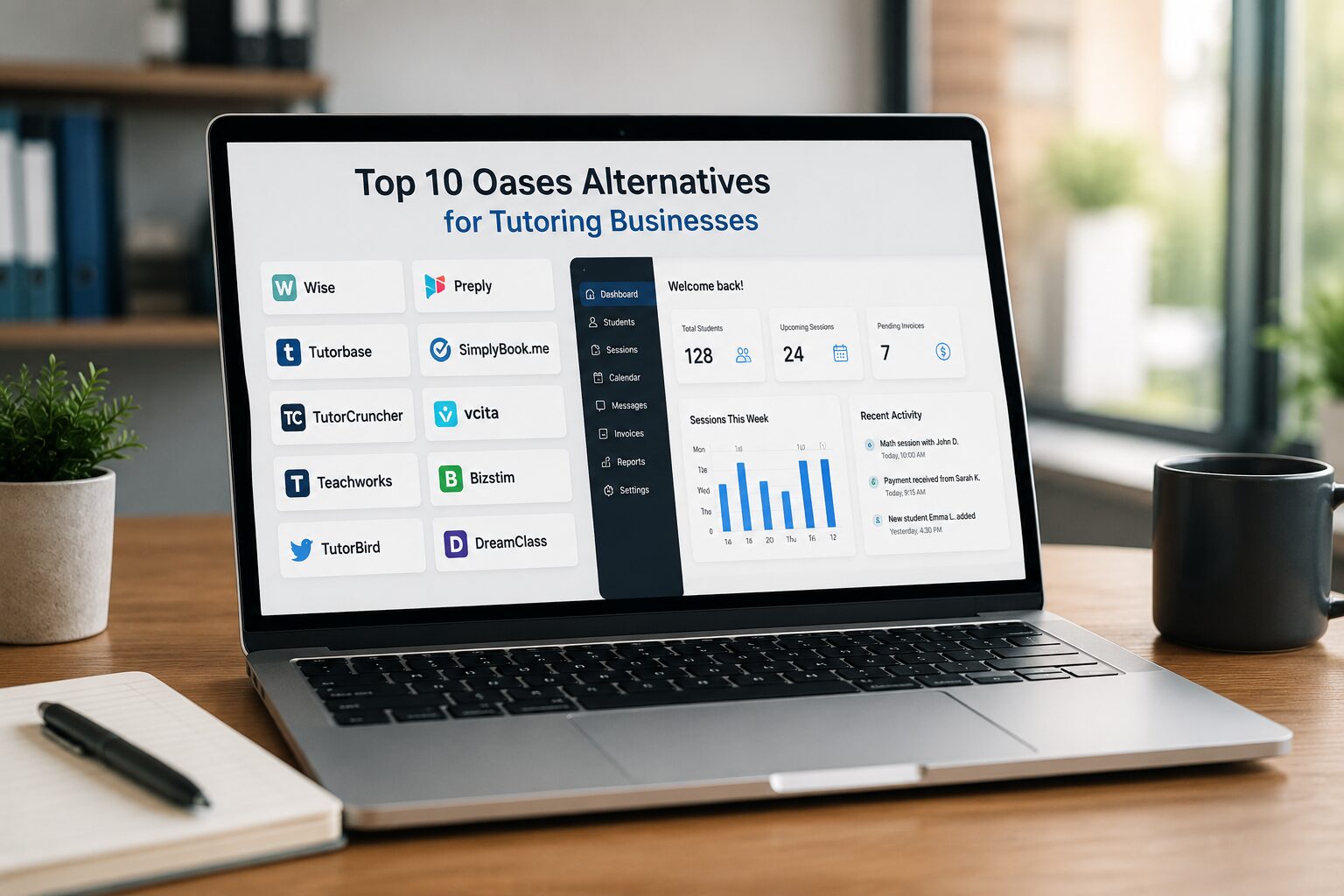
Modern tutor management software, such as Wise, uses AI to streamline various administrative processes, such as:
- Student progress tracking
- Performance analytics
- Tutor allocation
- Feedback management
This reduces manual workload and allows tutors to focus more on teaching quality and mentorship.
Tutor Scheduling Software for Seamless Learning
AI-powered tutor scheduling software is known to eliminate conflicts by:
- Matching tutor availability with student preferences to make sure time is utilised wisely
- Automating session reminders so that there are no missed sessions
- Optimising time slots for maximum engagement for students as well as tutors
This operational efficiency enhances AI’s impact on education by ensuring consistency and reducing learning disruptions.
The Future of AI in Education?
The future of education is no longer a distant concept; by 2026, we will already be seeing the “fourth educational revolution,” or Education 4.0. AI is moving from a novelty to a fundamental infrastructure that supports both students and educators.
Let us understand how AI is fundamentally impacting the future of learning:
Personalisation at Scale
The most significant AI impact on education is the rise of personalised tutoring. Unlike traditional methods, AI tutors can analyse a student’s progress in real time and adjust lesson plans to address specific knowledge gaps.
This ensures that no student is left behind, making learning much more efficient and engaging.
Streamlining the Experience
For educators, tutor management or tutor scheduling software has automated and simplified administrative tasks. This shift allows teachers to move away from paperwork and focus on mentorship.
However, when weighing the advantages and disadvantages of AI in education, we must balance this efficiency with the need for human connection. While AI provides data, human tutors provide the emotional encouragement students need to thrive.
Preparing for Tomorrow
As we look forward, the impact of AI on education will focus on “human-AI collaboration.” Students who learn to use these tools ethically today will be better prepared for the future workforce.
Conclusion
The impact of AI on education is making schools smarter and more helpful. While we must consider the advantages and disadvantages of AI in education, the future looks promising.
By understanding how AI impacts education, we can use tools such as AI tutors and smart lesson plans to learn more effectively. AI is not here to take over; it is here to help us reach our full potential. The AI impact on education is just beginning, and it is a promising time to be a student.
Frequently Asked Questions
How does AI impact education today?
The impact of AI on education is visible through personalised learning platforms, AI tutors, automated assessments, and data-driven insights. AI helps adapt as well as customise lessons to students’ needs, improve educators’ efficiency, and make learning more accessible.
How does AI improve personalised tutoring?
AI analyzes learning patterns, strengths, and gaps to tailor content for each learner. This enables personalised tutoring, in which lesson plans adjust dynamically, making the AI’s impact on education more effective and student-focused.
Are AI tutors better than human tutors?
AI tutors are effective for practice, revision, and immediate clarification. However, human tutors provide emotional support, motivation, and guidance in critical thinking. The best impact of AI on education comes from combining both.
What role does tutor management software play in AI education?
Tutor management software uses AI to track student progress, manage tutor workloads, and improve learning outcomes. It supports scalable and organised tutoring systems, enhancing the impact of AI on education.
Can AI replace traditional classrooms?
AI cannot fully replace classrooms. The AI impact on education is strongest when AI supports learning while human teachers provide interaction, creativity, and emotional engagement.