TL;DR (Quick Highlights):
- What reading tutoring is and why it matters.
- How reading tutoring programs help students improve comprehension and fluency.
- The difference between school reading help and private tutoring reading support.
- Tips on how to be a reading tutor effectively.
- Ways Wise, a powerful Tutor Management Software, supports reading tutors.
- Common challenges and how to overcome them with the right tools and strategies.
Introduction
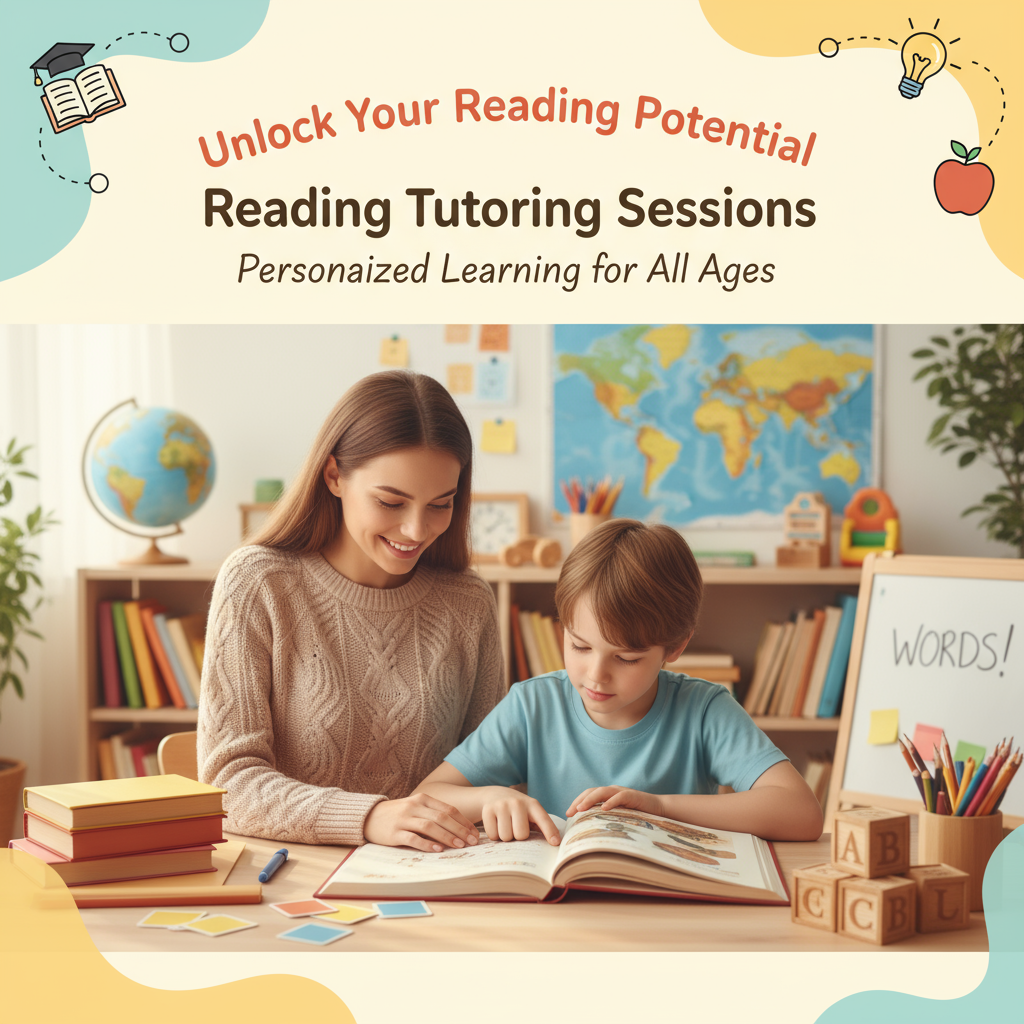
What reading tutoring provides is a personalized approach to help children become confident and skilled readers. Whether it is decoding words, improving vocabulary, or building comprehension, reading tutors work with students one-on-one or in small groups to meet their learning needs.
For tutors and educators, reading tutoring is not just about reading aloud with students. It is about using proven strategies, tools, and patience to guide learners at different levels.
In this guide, we will explore what makes reading tutoring effective, what to expect from a reading tutoring program, and how tutors can get started with success.
Understanding Reading Tutoring
Reading tutoring is a specialized form of tutoring focused on helping students develop strong reading skills. It includes phonemic awareness, fluency, comprehension, vocabulary, and critical thinking.
Unlike general homework help, reading tutoring targets specific reading difficulties. A child struggling with blending sounds or understanding what they read needs more than just extra time; they need guided instruction, often from someone trained to spot and address these challenges.
Who Needs Reading Tutoring?
Reading tutoring is helpful for:
- Early learners who are just beginning to read.
- Students are falling behind their grade level.
- Children with learning differences, such as dyslexia.
- ESL students are working on English reading skills.
Example: A 2nd grader in Texas is reading at a kindergarten level due to skipped foundational skills during the pandemic. A reading tutor designs a 12-week plan to focus on phonics and sight word recognition using games and repetition.
Benefits of Reading Tutoring Programs
Effective reading tutoring programs are designed to provide targeted, structured learning. They use assessments, reading exercises, and progress monitoring to help students move from struggling to succeeding.
Key Benefits
The key benefits of reading tutoring programs are:
- Personalized instruction based on a student’s reading level.
- Confidence-building through encouragement and small wins.
- Regular feedback for both students and parents.
- Better academic performance across subjects, not just reading.
Example: Lowell’s Elementary Reading Breakthrough
At McAuliffe and Lincoln Elementary Schools in Lowell, Massachusetts, a pilot reading tutoring initiative showed powerful results. First and second graders participated in short, 15-minute daily online tutoring sessions.
Out of 21 students who began below grade level, 76% passed their next reading assessment after just 14 sessions. Impressively, nearly 40% of students starting at kindergarten-level reading moved up to first-grade level all in under 9 total hours of tutoring.
Students made 2.6 weeks’ worth of progress in just one week of lessons, proving that even small time investments in the right tutoring approach can create meaningful growth.
How Reading Tutoring Works
Reading tutoring can take place in-person, online, or in hybrid formats. Sessions are typically 30-60 minutes long and include a mix of activities like:
- Word decoding games.
- Read-aloud practice.
- Vocabulary drills.
- Reading comprehension questions.
Most programs begin with a reading assessment to determine where the student stands. Tutors then design lessons based on the student’s specific goals and challenges.
Online Tools That Support Reading Tutors
With technology, tutoring for reading has become more flexible. Tools like digital whiteboards, interactive books, and video conferencing make it easier to engage students remotely.
Wise, the most advanced Tutor Scheduling Software, lets reading tutors book sessions, send reminders, and manage reschedules automatically. It frees up time so tutors can focus more on teaching and less on admin work.
How to Be a Reading Tutor: Steps to Get Started
If you are wondering how to be a reading tutor, here is a clear path you can follow:
1. Understand the Basics of Reading Instruction
Study how children learn to read, especially phonics, fluency, and comprehension.
2. Get Trained
Take a short course or certification in reading tutoring or literacy instruction. Some popular ones include Orton-Gillingham or the Wilson Reading System.
3. Build a Toolkit
Have access to reading level assessments, flashcards, guided readers, and fun worksheets.
4. Start Small
Begin tutoring one or two students. Build your confidence and develop your teaching style.
5. Use the Right Software
Use Wise, the most advanced Tutor Management Software, to track progress, automate reports, and simplify invoicing. It is especially useful for tutors handling multiple students or running a small tutoring business.
Example: A retired schoolteacher in Florida becomes a part-time reading tutor. She uses Wise to manage schedules and automatically bill parents, saving her 5-6 hours of admin work each week.
Types of Reading Tutoring Programs
There is no one-size-fits-all when it comes to reading tutoring programs. Here are a few types you might encounter:
1. Phonics-Based Programs
These focus on teaching the relationship between letters and sounds.
2. Reading Comprehension Programs
Perfect for students who can decode words but struggle to understand what they read.
3. Intervention Programs
Designed for children reading well below their grade level or with learning difficulties.
4. Test Prep Reading Programs
For students preparing for standardized tests like the SAT, ACT, or state reading exams.
Example: A middle school in California partners with private tutors using an intervention reading program. In 6 months, 70% of the participating students improve their reading level by at least one grade.
Common Challenges in Reading Tutoring (And How to Overcome Them)
Tutoring reading is not always smooth. Here are some common roadblocks and solutions:
1. Lack of Student Motivation
Solution: Use gamified learning tools and short, engaging activities. Wise’s student portal includes interactive features that make lessons more exciting.
2. Limited Parent Support
Solution: Keep communication open. Share weekly progress reports. Wise can help tutors send updates with just a few clicks.
3. Managing Time Across Students
Solution: Use scheduling tools to avoid burnout. Wise, as a Tutor Scheduling Software, allows automatic bookings, buffer times, and even cancellations all under one dashboard.
How Tutors Can Use Wise to Improve Outcomes
Wise is not just a tool; it is a Tutor Management Software built to make your job easier. Here is how reading tutors can use it:
- Automate lesson scheduling so you never double-book again.
- Send invoices to parents without back-and-forth emails.
- Track student progress through customizable reports.
- Use engagement tools to keep students involved even outside tutoring sessions.
Example: A small reading center in Chicago uses Wise to manage five tutors and over 40 students. By using automation, they reduce admin work by 60% and focus more on student progress.
In Closing
Understanding what reading tutoring is can help tutors offer better support and help parents choose the right path for their children. Whether you are just starting or running a tutoring business, combining structured reading instruction with smart tools can make all the difference.
Reading is the foundation of learning. With the right strategies, ongoing support, and platforms like Wise, the most advanced Tutor Management Software, you can help every student become a strong, confident reader.
Want to learn more about making your tutoring more efficient and student-focused?
Explore Wise’s helpful blog section, specifically written for tutors and their tutoring side hustle.
FAQs
What does reading tutoring mean for students who struggle to read?
Reading tutoring means giving one-on-one help to students who find reading hard. It focuses on things like phonics, vocabulary, and comprehension. A reading tutor creates a plan to match the student’s level and help them improve step by step.
What reading tutoring programs are best for young learners?
The best reading tutoring programs for young learners are those that use phonics, pictures, and fun activities. Programs like Orton-Gillingham or Wilson Reading are great for simply teaching letters and sounds.
How does reading tutoring help improve school performance?
Reading tutoring helps students read faster, understand more, and do better in all school subjects. When reading gets easier, kids feel more confident in math, science, and writing, too.
What reading tutoring tools do tutors use to teach better?
Tutors use books, flashcards, online games, and digital platforms. Tools like Wise, a top Tutor Scheduling Software, help tutors manage time, track progress, and keep students engaged without doing extra paperwork.
Who can become a reading tutor, and what reading tutoring skills are needed?
Anyone who loves to teach and understands how reading works can become a tutor. To be good at what reading tutoring requires, you need patience, training in reading strategies, and tools like Wise, the most advanced Tutor Management Software, to stay organized and focused on student success.