
In the competitive world of online tutoring, retaining students is crucial for sustained success. High retention rates not only reflect the quality of your service but also contribute to positive word-of-mouth referrals and long-term profitability. However, several challenges can affect retention, ranging from personalization issues to inconsistent instruction quality. Let’s explore five key strategies to improve retention in online tutoring businesses and specific tools and reports to help implement these strategies effectively.
Here are five key issues affecting retention in tutoring businesses and effective solutions to address them:
1. Lack of personalization: Motivate them to retain them

Personalization is crucial for maintaining student engagement and ensuring an effective learning experience. Without it, students can feel disconnected and demotivated. To enhance personalization, it’s important to regularly review student progress reports from your LMS. These reports help track individual advancements and pinpoint areas where additional support might be needed. There are many LMS such as Blackboard and Wise that generate student performance reports automatically.
Small actions can also significantly impact student engagement. For instance, observing who among students are speaking less during online sessions and gently encouraging them to participate more can make them feel more involved and valued. Similarly, monitoring responses to polls and other interactive elements can give you clues about student attentiveness. Many LMS platforms, such as Wise, offer integrated tools for these purposes, making it easy to track engagement metrics automatically within platforms like Zoom. These features help ensure that no student feels overlooked and that each one receives the attention they need to stay engaged and motivated.
Read more about tools to make your sessions more engaging here.
2. Improve Tutor-Student Matching for retaining students for longer

A well-matched tutor-student pairing is essential for effective learning, as mismatches can lead to frustration and suboptimal outcomes. To improve tutor-student matching, start by conducting detailed assessments to thoroughly understand both the strengths of your tutors and the specific needs of your students. This approach helps ensure that each student is paired with a tutor who best fits their learning style and requirements.
To monitor and refine the effectiveness of your matching strategy, regularly review tutor performance data. This helps maintain high standards of quality and effectiveness in tutoring sessions. Additionally, gather feedback on tutor-student compatibility through surveys using third-party tools like Typeform or surveymonkey. Many LMS such as Wise and Moodle have inbuilt customizable post session survey forms. These surveys can provide valuable insights into how well the pairings are working and where adjustments may be needed. Also, track and analyze requests for tutor changes to identify any recurring issues or patterns, allowing you to make informed improvements to your matching process.
3. Ensure Consistent Quality of Instruction for positive feedback and better outcomes

Inconsistent quality of instruction can significantly undermine student progress and satisfaction. To maintain high instructional standards, it is essential to develop comprehensive training programs for your tutors. Platforms like Coursera and Udemy can provide ongoing professional development, ensuring that tutors stay updated with the latest teaching methodologies. Implementing quality assurance processes, such as regular peer reviews and supervisory observations, helps uphold instructional standards and identify areas for improvement.
To effectively monitor and enhance the quality of instruction, it’s crucial to analyze session data closely. Focus on metrics such as session ratings, teacher talk time, and student attentiveness to gauge instructional effectiveness. Ensure that your LMS supports automatic recording of all sessions to facilitate comprehensive review and analysis. By examining this data, you can identify outliers and patterns that may indicate issues with instructional quality. This allows you to plan targeted interventions to address any discrepancies and maintain high standards across all tutoring sessions. Utilizing a robust LMS with built-in analytics such as Wise can streamline this process of collecting all this data and provide actionable insights for continuous improvement.
4. Boost Engagement and Motivation – key to high retention
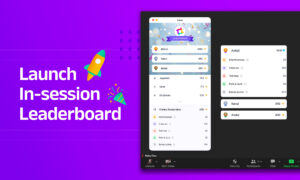
Keeping students engaged and motivated is crucial for retention, as disengaged students are more likely to drop out. To address this challenge, incorporate interactive teaching methods that make learning more engaging. Tools like Kahoot! and Lens can introduce gamification and real-world applications to lessons, adding an element of fun and increasing student involvement. Regular feedback and reward systems are also important for maintaining motivation and acknowledging student achievements. Adding a real-time leaderboard to your live sessions could be a potential game changer.
Monitoring student engagement can be achieved through attendance and participation tracking using tools like Zoom and Google Meet. These platforms provide reports on student involvement in sessions. Additionally, LMS platforms like Wise can help track and reward positive student behaviors. Collecting feedback on engagement using tools can provide insights into areas for improvement and help refine your strategies to better support student motivation.
5. Offer group sessions at lower rates

High costs associated with tutoring can lead to lower retention, potentially leading some families to discontinue services. To mitigate this challenge, offer flexible payment plans that accommodate different financial situations, making tutoring more accessible. LMS platforms such as Wise give you an option to put different students on different payment plans even if they are part of the same cohort. Additionally, provide discounts for long-term commitments and scholarships for students in need to alleviate financial burdens.
Manage and track these financial arrangements effectively with billing software which can handle various payment options. CRM tools such as HubSpot are useful for managing and tracking discounts and scholarship applications. To ensure that your pricing and financial assistance options meet the needs of your families, collect feedback. This feedback can help you make informed adjustments to your financial support strategies and improve overall accessibility.
You may be interested to read how Victory Learning Academy increased learner engagement using a Tutor management software.
Improving retention in online tutoring businesses requires a proactive approach to address key challenges such as personalization, tutor-student matching, quality of instruction, engagement, and financial constraints. By leveraging the right tools and continuously monitoring relevant metrics, you can create a more effective and enjoyable learning experience for your students, ultimately leading to higher retention rates and a stronger reputation in the market. Investing in these strategies will not only help retain students but also enhance the overall quality and success of your tutoring business.
Would you like to discuss more with the author. Feel free to book a meeting here.